What the Games tab is for
The Games tab is where the character you build by training gets tested. It is the second tab in StatBlockRPG and holds its games: the Dungeon, the Arena and Turf War. StatBlockPro has no such tab and no games at all, so everything on this page belongs to the game dashboard. Turf War, where you claim ground by running, is not covered here.
In the appGamesStatBlockRPG
The tab itself is an overview: it picks a game and plays nothing. At the top, a summary bar carries your avatar, your Rating with its rank tier under it (a badge such as Scrap; see ranked play), your Tickets (highlighted when you have none) and your Power, with an (i) at its end that explains the rating and the tickets. Tapping the bar opens the Hero tab.
Under it, you find:
- A card for each game, with its painted icon, one line and a few tags: Dungeon ("Climb floors. A loss sends you back to your checkpoint."), Arena ("Duel a player near your rating, turn by turn.") and Turf War ("Run a loop, own the map"). Each says Open and opens that game's own page; everything that plays a fight, queues or spends a ticket is there, never on this tab.
- While you are in a squad, a strip under the cards: the Weekly Raid Boss, painted, with its level, its health and the time left in the week. Tapping it opens your squad; once the boss falls, Claim raid cache sits under it. How a squad wears its boss down is in the social guide.
- A row with the doors to the Bestiary (every enemy and what beats it) and the Leaderboard.



The Dungeon page holds the Training balance panel, which shows whether your strength work has earned the Harmonic Form bonus (below), the Cyber-Spire, a map of the dungeon's floors where every run is played (the floor you can fight now opens the Dungeon card, where runs start; see dungeon runs), and under Know the field the doors to the Bestiary and Floor 0 (a free practice bout you play yourself). Until your first fight is recorded, a card at the top of the page also offers that practice bout, "See a fight first: floor 0". The Arena page holds the same panel, the Ranked card, where you queue for a rated match and see your Record (wins and losses in ranked matches and rated duels; cleared dungeon floors are not counted there), the Weekly Nemesis Contract (see ranked play), and the door to the Leaderboard. A bout you have left open shows its own card in place of the button that would start another: on the Dungeon card, in the sheet of its floor, or on the Ranked card.
What your training changes in a fight
Every fight reads your effective stats: each stat's level, plus what your worn gear adds, plus the 24-hour buffs from what you logged. A workout logged this morning makes this afternoon's fights stronger. A dungeon or Effigy bout takes them as they stand when it starts and keeps them to the end. The level shown beside your name in a fight is your highest single stat level, except in the Floor 0 practice bout, where your fighter is level 1. How stats, buffs and gear grow is in the character guide. In a dungeon or Effigy bout, what you ate can add to it as well (below).
Bio-Synthesis: what your eating adds
In the appFitnessNutritionBio-SynthesisStatBlockRPG
Each buff below comes from meeting one of a day's nutrition pillars. It is active on the day its pillar is met and on the day after, and the Bio-Synthesis card in your food diary marks each one Active or Inactive, with when it ends. How each pillar is counted is in the nutrition guide.
| Buff | Its pillar | What it does |
|---|---|---|
| Protein Synthesis | Protein: at least 85% of your protein target | +15% HP on boss floors: a bout on a boss floor starts with that much more health. While it is active, the Rest stop below the boss you can fight shows +15% HP. |
| Glycogen Overdrive | Calories: within 15% of your calorie target, above or below | +8% opening barrier: every dungeon bout and every Effigy bout starts with that much more health. |
| Hydration Coolant | Water: at least 100% of your own daily water goal | +10% shield charge: Turf War's shield charge from indoor training earns that much more, before its daily limits. It changes no fight. |
How Arena tickets work
A ticket is what a dungeon bout or a ranked match costs. You never pay money for one: they arrive every day and can be bought with scrap.
The daily ticket arrives the first time you open the app on a new game day, which starts at 04:00 in your own time zone. It is one ticket per return, not one per missed day, so a week away still brings back one.
Buying a ticket
In the appGamesDungeonCyber-SpireBuy a ticketStatBlockRPG
- Run out first
The Buy a ticket button appears only when you hold no tickets: on the Dungeon card (tap the highlighted room on the Dungeon page's map to open it), and on the Ranked card on the Arena page.
- Tap it
A dialog asks "Buy a ticket?" and reads "250 scrap for one Arena ticket. You also get one free every day."
- Confirm
Tap Spend 250. The scrap comes off your balance and the ticket is ready to use.
How dungeon runs and floors work
A dungeon run is a climb. You fight one floor at a time, every win takes you up one floor, and every floor you clear pays scrap and an item. The Dungeon page draws the climb as a map, the Cyber-Spire: one room for each floor, from Floor 0 at the bottom upward, with a boss guarding the way every few floors.
In the appGamesDungeonCyber-SpireStatBlockRPG
Each floor's room shows its number, the enemy's portrait and name, the level it fights at (Lv N), a badge for where the floor stands for you, and a pill naming the stat that beats it, such as Weak: INT; tap the pill for what that stat does and what raises it. The badge reads:
- Cleared on a floor below the one you can fight;
- Your run on your open run's floor, Bout open while a bout waits there, and Start here on the floor your next run starts on when no run is open;
- Reached on a floor above it that an earlier run stood on;
- Locked, with a padlock, on a floor above everything you have stood on.
The floor you can fight now is the highlighted room, and the line joining the rooms is lit up to it and dashed above everything you have stood on. Tap any room to open its sheet: the enemy, the stat to train, and the damage types it is weak to and resists. The highlighted room's sheet also holds the Dungeon card, where every bout starts (below).
Friends whose profile you can see and who show their Arena record stand on the highest floor they have reached, as a small figure with their handle. The map shows the floors from your checkpoint to the boss floors ahead; the floors under it fold into one row, such as Floors 1 to 19, and friends above it wait at the top under Higher up.

- One run at a time. Starting a run while one is open brings back the open one.
- Boss floors. In the app's words: "A boss guards every 4 dungeon floors, and its item is always at least Rare." A boss fights two levels above its floor. Its room is larger, with a chest and the badges Boss floor, Rare+ loot and Checkpoint.
- Checkpoints. A new run starts on the floor after the highest boss floor any of your runs has got past, or on floor 1 when none has, and that boss's flag then reads Checkpoint saved. So once you have stood on floor 9, your next run starts there; if the highest floor you have stood on is 7, it starts on floor 5. The chips above the map name both, such as Best: floor 21 and Checkpoint: floor 20. There is still no floor to pick, because the floor decides what a win pays.
- Rest stops. A Rest stop sits just under each boss, and reads Boss next when that boss is the floor you can fight; while Protein Synthesis is active it also shows +15% HP (see Bio-Synthesis). Its sheet has Swap techniques, which opens your techniques, and while a run is open the Company panel for calling a friend in (see party summon); with no run open it reads Ally: during a run.
- Each floor is a bout, and each bout costs a ticket. The run itself costs nothing; its first bout opens it.
- The enemy is set by the floor. The sixteen enemies come in a fixed order, from Furnace Husk on floor 1 to Flood Warden on floor 16, then begin again on floor 17. The Bestiary lists them in that order.
Starting a bout
Tap the highlighted room. In its sheet, under the enemy, the Dungeon card has one door. With no run open it reads Enter the dungeon; with a run open it reads Fight floor N, N being your floor. Under it, the card says what a bout costs: "Ticket spent on entry. Walking away counts as a loss." Tapping it opens the fight screen and starts the bout: the ticket is spent, and the enemy and your own fighter are fixed as they are at that moment. You play every move; the whole fight is described below.
With no tickets the door is greyed out and reads "Out of tickets: one arrives each day", with Buy a ticket under it. With a bout already open the door is replaced by that bout's card; see bouts.
What a floor pays, and how it scales
An enemy's level equals the floor number, and on a boss floor it is two higher. Its stats come from a budget that grows with that level, spread by the creature's own emphasis (the Stat emphasis chart in the Bestiary), and monsters wear no gear. Clearing a floor pays scrap, drops one item whose item level equals the floor (up to the highest item level you can be handed; see below), and moves the run up one floor. It also counts toward the Deeper and Proving Ground daily quests when you have them.
| Floor | Enemy | Enemy level | Enemy health | Scrap for clearing it | Item level of the drop | Lowest rarity of the drop |
|---|---|---|---|---|---|---|
| 1 | Furnace Husk | 1 | 78 | 5 | 1 | none |
| 2 | Glitch Spindle | 2 | 78 | 6 | 2 | none |
| 4 · Boss floor | Sludge Marrow | 6 | 246 | 7 | 4 | Rare |
| 5 | Vault Sentinel | 5 | 196 | 8 | 5 | none |
| 10 | Ledger Tithe | 10 | 254 | 12 | 10 | none |
| 16 · Boss floor | Flood Warden | 18 | 404 | 17 | 16 | Rare |
| 17 | Furnace Husk | 17 | 470 | 18 | 17 | none |
| 25 | Shardglass Choir | 25 | 258 | 24 | 25 | none |
| 50 | Glitch Spindle | 50 | 610 | 44 | 50 | none |
The item's rarity is rolled on the published drop odds, nudged upward by your consistency streak. On a boss floor a roll below Rare is lifted to Rare, and a luckier roll is kept. The odds and the loot system are covered in quests and loot.
Losing and leaving
- Lose a bout and the run ends on that floor. Your next run starts after your checkpoint, as above, and the scrap and items you took on the way are yours to keep.
- Leave the dungeon, on the Dungeon card, ends the run by choice and keeps everything already taken. It always asks first, and with a bout open it warns: "A bout is open on floor N. Leaving now records it as a loss and ends the run, and an ally on this run leaves with it. What the run already paid stays yours."
- Your recent fights are listed in the same sheet, below the card, under Recent fights: the result, the enemy, and the rounds and hits, or "Forfeited" for a bout that was walked away from. Tap one to watch it again.
Bouts: paid at the start, kept for 24 hours, lost if you walk away
A dungeon floor and a ranked match against the Arena Effigy are each a bout: one fight the server opens when you start it and keeps until it is finished.
Coming back to a bout
In the appGamesDungeonBout openResumeStatBlockRPG
- Open the game's page
The open bout's card sits where the door was. For a floor, open the Dungeon page and tap the room whose badge reads Bout open: its sheet holds the Dungeon card with the bout's card in it. For the Effigy, it is on the Ranked card on the Arena page. A floor's card reads Bout in progress, then the floor, the enemy, for example "Against Vault Sentinel", then "Ticket spent. Finish the floor, or forfeit and take the loss." and how long is left, for example "It counts as a loss if it is not finished within 23 hours." (near the end, "It counts as a loss if it is not finished within the hour."). An Effigy card is titled Arena Effigy, names no enemy and reads "Ticket spent. Finish it for a rating result, or forfeit and take the loss."
- Tap Resume
Resume opens the fight screen on the same bout. The moves this phone saved are played again from the start in an instant, so the fight picks up exactly where you left it, and the readout says so, for example "Picked up where you left off: 2 moves replayed."
- Or record it
If you finished the fight on this phone but the result never reached the server (the app closed on the last swing, or there was no signal), the card offers Record the result instead: "Finished on this phone, not yet recorded on the server." Record it within the bout's 24 hours: after that it is recorded as a loss, even if you won it.
- Or walk away
Forfeit asks "Walk away from this bout?" and says what it costs: "Walking away counts as a loss: the run ends at floor N and keeps what it already paid. The ticket is already spent." Take the loss records the loss.
The sixteen enemies and what beats them
Every technique deals one of six damage types, and every damage type is powered by one of your six stats. Every enemy takes extra damage from one type, less from others, and a few ignore a type entirely. That is what makes the Arena a reason to train more than one thing.
In the appGamesDungeonBestiaryStatBlockRPG
| Damage type | Powered by | Enemies that resist it (×0.6) | Enemies immune to it | Enemies weak to it (×1.5) |
|---|---|---|---|---|
| Might | STR Strength | 8 | 0 | 3 |
| Swift | DEX Dexterity | 5 | 0 | 2 |
| Vital | CON Constitution | 4 | 4 | 2 |
| Arcane | INT Intelligence | 6 | 0 | 4 |
| Psyche | WIS Wisdom | 6 | 0 | 2 |
| Presence | CHA Charisma | 6 | 1 | 3 |
The roster, in floor order
The weak spot column is also the stat to train. The Bestiary shows it as a chip, for example Train INT on Furnace Husk. Each of the first eight shrugs off two damage types; each of the last eight shrugs off three.
| Floor | Enemy | Body | Weak to (×1.5) | Resists (×0.6) | Immune |
|---|---|---|---|---|---|
| 1 | Furnace Husk | Hulk | INT Arcane | STR Might, CON Vital | none |
| 2 | Glitch Spindle | Serpent | WIS Psyche | DEX Swift, CHA Presence | none |
| 3 | Ninefold Relay | Swarm | CON Vital | STR Might, WIS Psyche | none |
| 4 · Boss floor | Sludge Marrow | Hulk | DEX Swift | INT Arcane | CON Vital |
| 5 | Vault Sentinel | Construct | STR Might | INT Arcane | CHA Presence |
| 6 | Echo Herald | Winged | INT Arcane | WIS Psyche, CHA Presence | none |
| 7 | Coolant Wake | Spectre | CHA Presence | DEX Swift, INT Arcane | none |
| 8 · Boss floor | Razorwire Moot | Serpent | STR Might | CON Vital, WIS Psyche | none |
| 9 | Shardglass Choir | Swarm | STR Might | INT Arcane, CHA Presence | CON Vital |
| 10 | Ledger Tithe | Spectre | DEX Swift | STR Might, WIS Psyche, CHA Presence | none |
| 11 | Formalin Father | Hulk | INT Arcane | STR Might, DEX Swift | CON Vital |
| 12 · Boss floor | Vesper Swarm | Swarm | CON Vital | STR Might, DEX Swift, WIS Psyche | none |
| 13 | Lantern Cleric | Spectre | CHA Presence | STR Might, CON Vital, INT Arcane | none |
| 14 | Rubble Sovereign | Construct | WIS Psyche | DEX Swift, CHA Presence | CON Vital |
| 15 | Threshold Moth | Winged | INT Arcane | STR Might, WIS Psyche, CHA Presence | none |
| 16 · Boss floor | Flood Warden | Construct | CHA Presence | STR Might, CON Vital, INT Arcane | none |
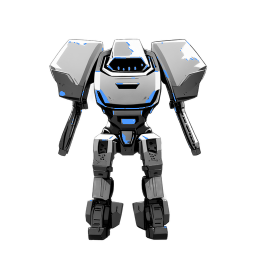
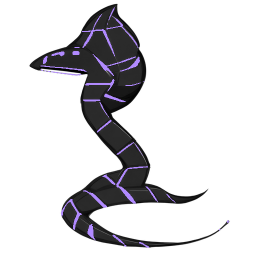

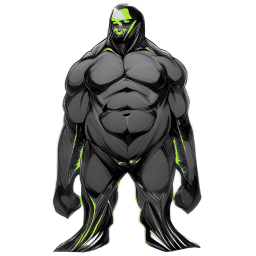


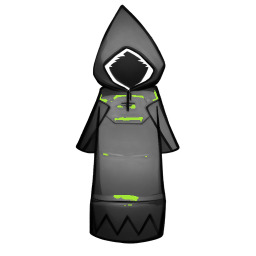




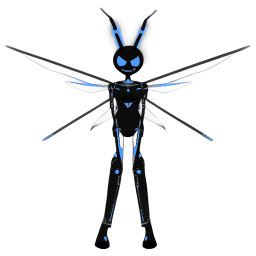

Each enemy fights with four techniques drawn from its four strongest stats, named after the creature (the Rend, the Blight and so on), and each lands its type's status on a roll of 18 or higher, for two rounds before the adjustments under statuses. In the Bestiary, each row shows the floor where you first meet the enemy and the stat to train. Tap a row to open it: its flavour line, its weak spot and resistances as chips (an immunity is listed with the resistances), and a Stat emphasis chart of how its stats are weighted.
How a bout is fought, move by move
Every fight in the Arena is played on one screen: a dungeon floor, the Arena Effigy, a match against another person, a duel, the Floor 0 practice bout and a practice bout against another player's shadow. You pick every move, and a twenty-sided die decides each swing. The screen does not scroll: the stage at the top, the last roll under it, and your moves pinned at the bottom. Its title says what the fight is: the floor (Floor 21), Arena Effigy, Floor 0, Duel, Shadow fight, or Live bout for a ranked match against another person.
In the appGamesDungeonEnter the dungeonStatBlockRPG
- Read the stage
The enemy's figure stands upper right with its plate upper left; yours stands lower left with your plate lower right. A plate shows the name, the level, health (green for you, red for the enemy) and energy (cyan), then any status on that fighter as a chip with the stat, the status and the rounds it has left, such as "STR Cracked". The fighter who is waiting is dimmed.
- See whose move it is
The words on the stage's top edge say so ("Your move"). The round and the Blow by blow chip sit on its bottom edge; against another person the turn clock sits between them.
- Read the last roll
Under the stage, the die shows the last face rolled beside what it did: a headline (Fumble, Miss, Hit, Strong hit and Critical hit), the sentence with any status it landed, which faces give which result, and the numbers its target came from. The colour says whom the roll was good for: green for you, red for your opponent, grey for a miss or a dodge. Before the first swing it reads "Pick a technique to open." when the move is yours, and "No roll yet" while you wait.
- Choose
Tap one of your technique cards, or Guard or Brace under them. The line above the cards is your own next roll: "DC 3: your DEX 12 against 7, WIS 10".
- Watch the roll
The die tumbles over the stage and lands, the damage rises off the fighter who took it, and a status that lands floats up with its name. Skip the animation cuts the animation short.
- The enemy acts
Then the round ends and both of you regain 12 energy.
- Finish
The bout ends when one side reaches zero health. The server replays your moves, records the result and, if you won a floor, pays it.
Turn order
There is no initiative roll. In a dungeon and against the Effigy you act first in every round and the enemy answers, and nothing runs on a clock: take as long as you like, within the bout's 24 hours.
The d20 check
Every swing starts with your hit chance against that opponent: 75%, plus 1.5 points for every point of DEX you have over the defender (and minus 1.5 for every point you have under it), plus 0.5 points per point of your WIS, kept between 35% and 95%. The screen turns that into a target number, the DC: the hit chance divided by 5 and rounded to a whole number, taken away from 21. It is printed above your cards before you tap, with the numbers it came from ("DC 3: your DEX 12 against 7, WIS 10"), and a Rattled attacker rolls against 2 more.
| Hit chance | DC | Faces that hit | Chance on the die |
|---|---|---|---|
| 95% | 2 | 2 to 20 | 19 in 20 |
| 85% | 4 | 4 to 20 | 17 in 20 |
| 75% | 6 | 6 to 20 | 15 in 20 |
| 65% | 8 | 8 to 20 | 13 in 20 |
| 50% | 11 | 11 to 20 | 10 in 20 |
| 35% | 14 | 14 to 20 | 7 in 20 |
What each face means
A face falls in one of five bands. After each swing the readout prints them for that swing, for example "Fumble 1 · Miss 2 · Hit 3-16 · Strong 17-19 · Crit 20", which is Servo Break against the Vault Sentinel in the sample bout.
| Result | Faces for Servo Break here | What it does |
|---|---|---|
| Fumble | 1 | Always misses, and the attacker takes 15% of what the swing would have dealt (at least 1). Stances do not change a fumble. |
| Miss | 2 | Misses. A higher DC widens this band. |
| Hit | 3 to 16 | Lands, unless it is dodged. |
| Strong hit | 17 to 19 | Lands like a hit, and puts the technique's status on the target unless the swing is dodged or the status is kept off (see statuses). Only a technique that carries a status has this band. |
| Critical hit | 20 | A natural 20: always lands, cannot be dodged, does 2 times the damage and lands the status on the same terms as a Strong hit. |
- A landed hit can still be dodged (not a natural 20): 3% plus 0.8 points per point of DEX the defender has over you (minus as much per point under), plus 0.3 per point of the defender's WIS, plus any dodge its gear adds, between 0% and 40%. The headline then reads "Dodged (Strong hit)", and a dodged swing lands no status.
- A hit that is not dodged can also crit on its own roll: 5% plus 0.4 per point of CHA and 0.3 per point of WIS, plus any crit your gear adds (at most 60%), for 1.5 times plus 0.01 per point of CHA (at most 2.5 times).
The dice for each turn are set by the bout itself, so picking a different technique never changes the face the d20 lands on. What you choose decides what that face is worth.
How damage is worked out
A landed hit deals the technique's power, times the type modifier against this enemy, reduced by the enemy's armour, times a dice factor, times any critical multiplier. It is rounded, and a hit that lands always does at least 1, except against an immune target, which takes nothing.
Energy
Both fighters start full. Your pool is 40 + 2 × CON + 1 × WIS: 70 with CON 10 and WIS 10, 94 with CON 22 and WIS 10. Both sides regain 12 at the end of every round, up to the pool, and energy is paid when the swing resolves.
What a technique card says
Your techniques fill a grid of four cards in slot order, and an empty slot is drawn as a placeholder, so the grid never changes shape. A loadout of five, which only the class passive that adds a slot allows, puts its last card in a row of its own under the grid, the screen's full width, so on a shorter phone the cards lose their extra lines a little sooner. Each card shows the name and the stat code in the stat's colour; "Base" and the range, the technique's power and what a landed swing can deal to this opponent right now; the energy it costs (amber when Glitched raised it); and on its last line the status it lands and from which face, such as "17+ Siphoned, 2 rounds". On a phone with at least 784 points of height between its status bar and its home indicator, a card also names its damage type on a line under its name and, beside the energy, the rounds it rests after use, such as "Rests 2"; the drawing beside this is a shorter phone. A special's card carries no such tag: on every phone its last line reads "Once per fight" where another card names its status (a special lands none), and "Used" once you have used it. On a phone wide enough for it, at the default text size, a card also carries its technique's painting at its left, and the stat code moves onto the painting's corner.
Starter techniques are free, specials cost 24 energy and work once per fight, techniques earned at proficiency level 10 cost 16 to 18 energy, and those earned at level 30 cost 30 to 34 and then rest for 2 rounds. One used in round 1 that rests 2 rounds is back in round 4.
A card you cannot use this round is dimmed and its last line says why, in amber: "Ready next round", "Ready in 2 rounds", "Needs 18 energy", "Used" once a special has been used, or, while you are Jammed, "Jammed: only Guard". A status that cannot land here says so instead: "Cracked: immune", "Cracked: they guard" or "Jammed: warded now".
The two stances
Under the cards sit Guard and Brace. A stance rolls no die, covers the next swing that comes at you, and ends when you next act. The buttons carry one word each; what they do is written in the Blow by blow sheet.
- Guard: The next hit you take does 50% less. You regain 24 energy. The 50% cut applies after a critical, and the energy stops at your pool. A Guard in force keeps a status off you, and a Guard you choose shakes off Siphoned and takes a round off every other status on you.
- Brace: 25 points more to dodge the next hit. If it lands, 30% of it comes back at them. Dodge tops out at 80% and a natural 20 still lands. Brace gives no energy, and while you are Snagged it adds only 10 points.
Guard is how you refill when you are nearly empty; Brace is for when a big hit is coming and you would rather it missed.
A forced guard
A turn can become a Guard nobody picked, and the log says why. While you are Jammed, every pick becomes a Guard that returns no energy, so Guard is the only control that takes a tap. In a match against another person you have 15 seconds to choose; when they run out, the server plays your first technique, or a Guard if that technique is resting or you cannot afford it. For the sample fighter, whose slot 1 is Servo Break, a timeout with too little energy for it reads: "Ines Kade could not use Servo Break (not enough energy) and guarded instead." Keep a free or cheap technique in slot 1.
What the enemy does
- When it is Siphoned and the next loss would take at least 1/10 of its remaining health, it Guards to shake it off, unless its last move was already a stance.
- Below 30% of its health it Braces, unless its last move was already a stance, so a badly hurt enemy alternates between bracing and swinging. Every dungeon monster does this; an Effigy, a duel snapshot or a shadow does it only when at least one of its techniques costs energy or rests (one that carries only free starters never braces).
- Otherwise it goes through its techniques in turn and uses the first one it can afford that is not resting.
- If it can afford nothing, it Guards.
It follows that order every time. A dungeon monster's techniques are priced by damage type:
| Monster technique type | Energy | Rest after use, rounds | Dice | Status on 18+ |
|---|---|---|---|---|
| STR Might | 22 | none | 2d8 | Cracked |
| DEX Swift | 14 | none | 3d4 | Snagged |
| CON Vital | 18 | none | 2d6 | Siphoned |
| INT Arcane | 30 | 1 | 1d12 | Glitched |
| WIS Psyche | 26 | 1 | 2d10 | Rattled |
| CHA Presence | 24 | 1 | 3d6 | Jammed |
The Arena Effigy, the snapshot of your friend an async duel is fought against, and another player's shadow follow the same order with a player's own techniques, so they are priced, rest and land their statuses exactly as those techniques do on a player's cards (see the technique table), not as a monster's.
Round limit, and why there are no draws
The first fighter to reach zero health loses. If one swing ends both of them (a hit that fells a braced target whose reflected damage fells the attacker), the one who swung wins. If both still stand after 50 rounds, the one with more of its health left (as a share of its maximum) wins, then the one with more health. So reaching the limit with more of your health left does win a floor. An exact tie on both counts against a dungeon enemy or the Effigy goes to them, so a tie never wins.
When the bout ends
Your phone plays each turn as you choose. When the bout ends it sends your list of moves, and the server replays them with the same dice (a dungeon or Effigy bout against the fighters it fixed at the start) and records its own result: "Recorded by the server, which replayed your choices." The panel under the stage then says what it paid: "The floor paid", "Floor cleared. Next is floor N.", "Something dropped. It is waiting in your inventory." If its replay ever reached a different result, its answer is the one recorded, and the screen says "The server saw it differently". If a won floor's item could not be handed out at that moment, the panel says "An item was due for this floor and could not be granted." with Collect the item; the item stays owed, and the Arena asks for it again when you open it, once each time the app starts.
| Fight | What a win pays |
|---|---|
| Dungeon floor | Scrap (4 + 0.8 × floor), one item at the floor's item level (or your item-level ceiling, on a deeper floor) and at least Rare on a boss floor, the next floor, and daily quest progress |
| Ranked or Arena Effigy | Rating, and progress toward the Proving Ground daily quest; no scrap and no items |
| Rated live duel | Rating only |
| Unrated duel | The result, posted in your conversation |
| Floor 0 | Nothing: it is practice |
| Shadow fight | Nothing: it is practice |
The six statuses
A strong roll does more than damage. Every damage type carries one status, so every stat has one, and a Strong hit or a natural 20 with a technique that carries it puts it on the target for a few rounds.
| Status, stat and damage type | What it does to the fighter it is on |
|---|---|
| CrackedSTR Might | Swings at it count its armour at 60%, so every hit it takes lands harder. |
| SnaggedDEX Swift | Its dodge chance is 15 points lower (never below 0), and its Brace adds 10 points to its dodge instead of 25. |
| SiphonedCON Vital | After each of its own moves it loses 20% of the hit that put it there (at least 1). A Guard it chooses shakes it off. |
| GlitchedINT Arcane | Its techniques cost 1.5 times the energy, rounded up; a free technique stays free. |
| RattledWIS Psyche | Its swings roll against a DC 2 higher (a natural 20 still hits). |
| JammedCHA Presence | Its next move, whatever it picks, becomes a Guard that returns no energy. It lasts one move, and it cannot be Jammed again for the next two rounds of the fighter who Jammed it. |
That makes a status one more reason to train more than one thing: the only way to Crack an enemy is a Might technique, and the only way to own one is to train STR.
When a status lands, and for how long
| Technique | Lands on a face of | Lasts, rounds |
|---|---|---|
| Starter | never | none |
| Special | never | none |
| Earned at proficiency level 10 | 17 or higher | 2 |
| Earned at proficiency level 30 | 15 or higher | 3 |
| Every dungeon monster technique | 18 or higher | 2 |
A status shows everywhere at once: as a chip on the plate of the fighter it sits on, as its name floating up when it lands, in the readout's sentence ("Strength: Cracked on Ines Kade."), and in the Blow by blow sheet.
Techniques and your loadout
Techniques are your moves. Each deals one damage type, draws its power from the stat behind that type, and is earned by doing a real activity, never bought.
- Your starter and your special. Every account gets two techniques of the same damage type, chosen by your highest stat level (ties go STR, DEX, CON, INT, WIS, CHA in that order). The starter is your basic attack: rank 0.7, no energy, no status. The special is your big hit: rank 1.8, 24 energy, 2d8 dice, no status, and it can be used once per fight. Neither grows, and neither has a skill tree. When first granted each takes a free slot, the starter slot 1 if it is free, and until you earn a technique of your own both follow your best stat.
- Earned techniques. When a proficiency reaches level 10 or 30, its technique unlocks by itself and drops into an empty slot if you have one. It never replaces a technique you placed. Reaching level 10 in a proficiency takes 5,390 XP in it, and level 30 takes 102,120 in total.
- Rank grows with the proficiency. Every level adds to an earned technique's rank, so the activity that unlocked it keeps making it stronger.
Cycling, Cooking, Homekeeping, Sleep Hygiene, Mobility and Leisure unlock no technique. Which activities feed which proficiency is in the character guide.
| Technique | Type | Unlocks at | Rank | Energy | Rest, rounds | Dice | Status |
|---|---|---|---|---|---|---|---|
| Stock Strike | STR Might | Starter | 0.7 | free | none | 2d6 | none |
| Quickdraw Cut | DEX Swift | Starter | 0.7 | free | none | 2d6 | none |
| Plate Guard | CON Vital | Starter | 0.7 | free | none | 2d6 | none |
| Boot Script | INT Arcane | Starter | 0.7 | free | none | 2d6 | none |
| Clean Feed | WIS Psyche | Starter | 0.7 | free | none | 2d6 | none |
| Open Channel | CHA Presence | Starter | 0.7 | free | none | 2d6 | none |
| Breach Charge | STR Might | Special | 1.8 | 24 | once per fight | 2d8 | none |
| Overdrive Dash | DEX Swift | Special | 1.8 | 24 | once per fight | 2d8 | none |
| Core Surge | CON Vital | Special | 1.8 | 24 | once per fight | 2d8 | none |
| Logic Bomb | INT Arcane | Special | 1.8 | 24 | once per fight | 2d8 | none |
| Null Signal | WIS Psyche | Special | 1.8 | 24 | once per fight | 2d8 | none |
| All Channels | CHA Presence | Special | 1.8 | 24 | once per fight | 2d8 | none |
| Servo Break | STR Might | Weightlifting 10 | 1 + 0.02 per level | 18 | none | 2d8 | Cracked on 17+ |
| Overclock Step | DEX Swift | Calisthenics 10 | 1 + 0.02 per level | 16 | none | 3d4 | Snagged on 17+ |
| Backup Cell | CON Vital | Running 10 | 1 + 0.02 per level | 18 | none | 2d6 | Siphoned on 17+ |
| Zero Day | INT Arcane | Coding 10 | 1 + 0.02 per level | 18 | none | 2d8 | Glitched on 17+ |
| Null Point | WIS Psyche | Meditation 10 | 1 + 0.02 per level | 16 | none | 3d4 | Rattled on 17+ |
| Broadcast Rally | CHA Presence | Fellowship 10 | 1 + 0.02 per level | 18 | none | 2d6 | Jammed on 17+ |
| Piston Drop | STR Might | Weightlifting 30 | 1.35 + 0.025 per level | 34 | 2 | 1d12 | Cracked on 15+ |
| Slipstream | DEX Swift | Running 30 | 1.35 + 0.025 per level | 30 | 2 | 4d4 | Snagged on 15+ |
| Blast Plate | CON Vital | Swimming 30 | 1.35 + 0.025 per level | 34 | 2 | 2d10 | Siphoned on 15+ |
| Hard Proof | INT Arcane | Studying 30 | 1.35 + 0.025 per level | 34 | 2 | 1d12 | Glitched on 15+ |
| Long Scan | WIS Psyche | Reading 30 | 1.35 + 0.025 per level | 32 | 2 | 2d10 | Rattled on 15+ |
| Grand Override | CHA Presence | Craft 30 | 1.35 + 0.025 per level | 34 | 2 | 3d6 | Jammed on 15+ |
Choosing what you carry
You carry four techniques into a fight, or five with the class passive that adds a slot. Order matters twice: the fight screen's cards follow your slots, and in a match against another person slot 1 is what the server plays when your turn clock runs out.
In the appHeroLoadout & SkillsTechniquesStatBlockRPG
- Open the Hero tab
Tap Hero on the tab bar, then Loadout & Skills at the top.
- Tap Techniques
Techniques opens the techniques screen. It lists what you are carrying, then everything you have unlocked with its type, rank and cost.
- Pick in order
Tap a technique to add it to the next free slot; tap it again to take it out. To change which one sits in slot 1, take them out and add them back in the order you want.
- Check your coverage
Damage types covered: lists the damage types you carry. If everything deals one type, the screen warns you that anything resistant to it will be a wall.
- Save
Tap Save loadout. It reads Saved once stored. A bout already open keeps the techniques it started with.
Skill trees and the daily physical challenge
The 12 earned techniques each carry a small skill tree, 48 nodes in all: a root, two branches above it, and a capstone. A node is never bought. You unlock it by committing to a physical challenge and doing the work.
In the appHomeCharacterSkill treesStatBlockRPG
| Technique | Root | Branch A | Branch B | Capstone | Full tree damage |
|---|---|---|---|---|---|
| Servo Break | 5 percent more damage | 5 less energy | 5 percent more damage | 10 percent more damage | ×1.213 |
| Overclock Step | 5 percent more damage | 4 less energy | 5 percent more damage | 10 percent more damage | ×1.213 |
| Backup Cell | 5 percent more damage | 5 less energy | 5 percent more damage | 10 percent more damage | ×1.213 |
| Zero Day | 5 percent more damage | 5 less energy | 5 percent more damage | 10 percent more damage | ×1.213 |
| Null Point | 5 percent more damage | 4 less energy | 5 percent more damage | 10 percent more damage | ×1.213 |
| Broadcast Rally | 5 percent more damage | 5 less energy | 5 percent more damage | 10 percent more damage | ×1.213 |
| Piston Drop | 5 percent more damage | 8 less energy | 1 round less rest | 10 percent more damage | ×1.155 |
| Slipstream | 5 percent more damage | 6 less energy | 1 round less rest | 10 percent more damage | ×1.155 |
| Blast Plate | 5 percent more damage | 8 less energy | 1 round less rest | 10 percent more damage | ×1.155 |
| Hard Proof | 5 percent more damage | 8 less energy | 1 round less rest | 10 percent more damage | ×1.155 |
| Long Scan | 5 percent more damage | 7 less energy | 1 round less rest | 10 percent more damage | ×1.155 |
| Grand Override | 5 percent more damage | 8 less energy | 1 round less rest | 10 percent more damage | ×1.155 |
Committing to a challenge
- Open the skill trees
On the Hero tab, under Loadout & Skills, tap Skill trees. Each earned technique on the loadout screen also has a Skill tree door, and Home shows today's Node challenge.
- Tap an open node
Nodes read Locked, Open, Unlocked or Committed today. A node opens once the one below it is unlocked.
- Read the requirement
The sheet says what kind of work it asks for and the range it will be sized in. "Today, and only today: one commitment per game day."
- Commit
Tap Commit to it. The exact target appears, sized from your recent days. Go log it takes you to where that work is logged.
- Do the work
Log it the same game day. When your logged work reaches the target, the node unlocks at once, and its effect is in the next bout you start (one already open keeps the fighters it started with).
How the target is sized
Every challenge is physical: steps, hard sets, total volume, or a run, ride or swim. Each node has an authored range, and the target is taken from your own recent days on that kind of work (or picked inside the range when there is not enough history), rounded to a sensible step, kept inside the range and within what one log of that activity allows.
| Challenge | Tier 1 (root) | Tier 2 (branches) | Tier 3 (capstone) |
|---|---|---|---|
| Steps | 6,000 to 12,000 | 10,000 to 20,000 | 15,000 to 30,000 |
| Hard sets | 8 to 14 | 12 to 18 | 14 to 22 |
| Total volume, kg | not used | 5,000 to 9,000 | 8,000 to 14,000 |
| Run, km | 3 to 6 | 5 to 10 | 10 to 16 |
| Ride, km | 8 to 15 | 15 to 25 | 25 to 40 |
| Swim, metres | 500 to 1,200 | not used | 2,000 to 4,500 |
Practice bouts and calling a friend into a run
Floor 0: a free practice bout
A practice bout. Nothing is spent and nothing is won. It is a real bout on the same fight screen as every floor, played move by move, but it costs no ticket, pays no scrap, drops no item, touches no rating and is never recorded.
In the appGamesDungeonFloor 0StatBlockRPG
- It is the room at the bottom of the Cyber-Spire map and the Floor 0 door under Know the field on the Dungeon page, and until your first fight is recorded the same page also offers it at its top as the card "See a fight first: floor 0".
- The Floor 0 screen first lists What to watch for: short points in the order the fight shows them, from "You pick every move: a technique to swing, or a stance to hold. The monster answers each one." to "Every technique has a damage type, and every monster resists some of them.", one of them naming the status your own practice bout will show. Under Start the bout, tap Fight: the practice bout opens on the fight screen, titled Floor 0. Afterwards the button reads Fight again.
- Your side uses your own current stats (with your fighter at level 1; a flat 5 in every stat if your character cannot be read) and three techniques, whatever you carry: the starter of your best stat by base level (ties go STR, DEX, CON, INT, WIS, CHA), the technique of the same damage type earned at proficiency level 10, at the rank it has the day it unlocks, and that type's special. In the app's words: "You fight with your best stat's starting technique, its special and a trained one, so you can see energy and statuses at work and try the special you can use once per fight. A real floor uses what you have equipped." The opponent is a level 1 Furnace Husk, the floor 1 enemy.
- When it ends, the panel reads "Practice: nothing was spent, recorded or paid." and Back to Floor 0 goes back to the briefing.
- You get three a day, one spent each time you tap Fight. The count is kept on your phone and resets at 04:00, and each bout rolls different dice. A practice bout cannot be resumed: leave it and it is gone.
Calling a friend into a dungeon run
A friend can brace you for one bout. Their character is snapshotted as it is right now and adds health, armour and a little critical and dodge chance to yours. They do not take turns and do not appear on the stage.
In the appGamesDungeonRest stopCompanyStatBlockRPG
- Open a run
While a run is open, the Company panel appears in the sheet of any Rest stop on the map, and under the Dungeon card in the sheet of the floor you can fight.
- Call
Tap Call · 0/1 and pick a friend from the list that opens. They get a notification saying they were summoned.
- Fight
The support joins the next bout you start on that run and is used up when that bout ends, won, lost or forfeited. Each call covers one bout. A bout already open keeps the fighters it started with, so while one is open the panel says "An ally can join from the next bout. The one in progress keeps the fighters it started with."
Ranked matches, ELO and the Arena Effigy
Ranked play is a rating ladder. Every account starts at 1,200, a win moves you up and a loss moves you down, and the amount depends on the gap between you and your opponent and on how high you already are.
In the appGamesArenaQueue for a ranked matchStatBlockRPG
- Queue
On the Arena page's Ranked card, under your rating and its rank badge, tap Queue for a ranked match. You need at least one ticket.
- Wait for a match
The search starts at ±60 rating and widens by 25 every 5 seconds. Both of you have to be inside each other's range, and your rating is fixed at the moment you join.
- Or meet the Effigy
After 30 seconds with nobody found (by then the search reaches ±210), the queue gives you an Arena Effigy and the fight screen opens against it at once. It is a mirror of your own character, with your stats, techniques and gear, no resistances, and your rating. It is played turn by turn in the same order of moves as a dungeon enemy, with your own techniques' prices (see what the enemy does), and is worth the full rating change. It is a bout: its ticket is spent when it starts, it has no clock, it waits 24 hours, and walking away counts as a loss. Glycogen Overdrive adds to your health here as on a dungeon floor (see Bio-Synthesis).
- Fight
The bout is played on the fight screen with every rule above. A win or loss moves your rating; ranked play pays no scrap and no items.
| Your rating | Band | K | Win or loss against an equal rating |
|---|---|---|---|
| Below 1,400 | Unranked band | 40 | 20 points |
| 1,400 to 1,699 | Contender band | 32 | 16 points |
| 1,700 to 1,999 | Veteran band | 24 | 12 points |
| 2,000 to 2,299 | Elite band | 16 | 8 points |
| 2,300 and above | Apex band | 12 | 6 points |
Against another person
A ranked match against another person is live: you both choose on the same screen, one turn at a time, with a 15-second clock kept by the server and drawn on the stage's bottom edge. When a turn's time runs out, the server plays that player's first technique, or a Guard if it cannot be used. In a live match the same one of the pair always opens each round. It is not a bout like a dungeon floor: nothing is saved on your phone for later, and it carries on without you if you leave. Its ticket is taken when the result is recorded, from the player whose phone records it first (see tickets).
Rank tiers
Your rating also shows as a rank tier: a badge with the tier's name and one to five pips, under the rating on the Games tab's summary bar, on the Ranked card, on your own standing on the leaderboard and on every row of it. A tier is only a name for where a rating sits: it costs nothing, pays nothing and changes no rule. A new account, at 1,200, is Scrap.
| Tier | Rating | Pips |
|---|---|---|
| Scrap | Below 1,250 | 1 |
| Iron | From 1,250 | 2 |
| Chrome | From 1,400 | 3 |
| Neon | From 1,700 | 4 |
| Apex | From 2,300 | 5 |
The leaderboard
In the appGamesArenaLeaderboardStatBlockRPG
Switch between Global and Friends; Your standing shows your own rank even when you are not listed publicly. Every row carries the player's rank badge, and tapping a row opens their card, with a shadow to fight (below). Two players on the same rating share a rank. A public adult account is listed by default; switch it off under Settings › Privacy, data and legal › Show on leaderboards, or by setting your profile to friends only or private.
Shadow fights
In the appGamesArenaLeaderboardFight ShadowStatBlockRPG
- Open a player's card
Tap a row on the leaderboard. The card shows the player's figure, rank badge, Rating and Power, their six stat levels and the techniques they carry.
- Fight their shadow
Tap Fight Shadow ("Practice, records nothing"). The fight screen opens, titled Shadow fight, against a fighter built from that player: their stats as their gear and Origin raise them, and the techniques they carry, never the buffs from what they logged.
- Play it out
The computer plays the shadow in the same order of moves as a dungeon enemy (see what the enemy does). When it ends, the panel reads "Practice: nothing was spent, recorded or paid." and Back to the ladder takes you back to the leaderboard.
The weekly Nemesis Contract
In the appGamesArenaWeekly Nemesis ContractStatBlockRPG
Under the Ranked card, the Weekly Nemesis Contract sets your week beside another player's or a benchmark's: Workouts, Quests and Wins since Monday at midnight UTC, and whether you are Ahead, Tied or Behind. When a week ends Ahead with at least two workouts finished, Claim bounty pays 60 scrap and "+1 reforge credit" during the following week. It is the same card as on the Social tab; who you are paired with, what they see and the benchmark's numbers are in the social guide.
Duels with friends
A duel is a fight between two friends, issued from a direct message. It costs no ticket and pays no scrap or items; what it can do is settle an argument, and a live one can move both ratings.
In the appSocialMessagesAttachChallenge to a duelStatBlockRPG
- Open a conversation
In Messages on the Social tab, open a thread with a friend, or tap Message beside them in your friends list.
- Attach a duel
Tap Attach, then Challenge to a duel, then choose Live duel, both online now or Async duel, fought against a snapshot.
- Wait for an answer
Your friend taps Accept or Decline; you can Withdraw while it waits. They have 48 hours to answer, and once accepted the duel has another 48 hours to be fought.
- Fight
Tap Fight on the card. The result is posted in the conversation.
| Live duel | Async duel | |
|---|---|---|
| Who fights | Both of you, at the same time, turn by turn | The challenger, against the computer playing your friend |
| Your friend is | Online with the duel open (the fight starts once you are both there) | A snapshot of their character, taken when they accept |
| Rating | Moves both ratings when it is the pair's first rated duel of the UTC day; the challenge says which when you send it | Never moves |
| Cost and reward | No ticket, no scrap, no items | No ticket, no scrap, no items |
Arena questions
How do I get more Arena tickets in StatBlockRPG?
A new account starts with 5. The first time you open the app on a new game day you get 1 more, up to 10; a longer absence still adds only 1. When you have none left, the Dungeon card and the Ranked card each offer Buy a ticket for 250 scrap.
When is the ticket for a dungeon bout spent?
The moment the bout starts, when you tap Enter the dungeon or Fight floor N. It is not given back, whether you win, lose or walk away. A ranked bout against the Arena Effigy works the same way.
What happens if I close the app in the middle of a fight?
A dungeon or Effigy bout stays open. Your phone saves every move you make, and the bout stays open on the server for 24 hours from the moment it started (coming back does not add time). On the Dungeon page, tap the room whose badge reads Bout open and then Resume in its sheet; for the Effigy, tap Resume on the Ranked card on the Arena page. The fight picks up where you left it. Once those 24 hours are up, a bout counts as a loss if it is unfinished, and also if you finished it on the phone but its result had not reached the server. A live match against another person carries on without you instead.
Does walking away from a bout count as a loss?
Yes. Tapping Forfeit, leaving the dungeon with a bout open, or not recording it within 24 hours of its start all record it as a loss: in the dungeon the run ends on that floor and keeps what it already paid, and against the Effigy your rating moves as for any loss. Leaving the fight screen on its own does not: the bout waits for you.
Why is Enter the dungeon greyed out?
You have no tickets. The button then reads "Out of tickets: one arrives each day", and Buy a ticket under it buys one for 250 scrap. If you cannot see the button at all, a bout is open, and its card with Resume is in its place.
What does the number on the d20 mean in a fight?
It is the roll for that swing, from 1 to 20. Before you tap, the line above your cards gives the target, the DC ("DC 3: your DEX 12 against 7, WIS 10"); after a swing, the readout lists which faces do what ("Fumble 1 · Miss 2 · Hit 3-16 · Strong 17-19 · Crit 20"). A natural 1 always misses and a natural 20 always hits for double damage.
What are statuses in a StatBlockRPG fight?
Six effects a strong roll puts on the target for a few rounds, one for each stat: Cracked (STR), Snagged (DEX), Siphoned (CON), Glitched (INT), Rattled (WIS) and Jammed (CHA). A technique earned at proficiency level 10 lands its status on a 17 or higher, one earned at level 30 on a 15 or higher, and a starter or a special never. They show as chips on each fighter's plate with the rounds they have left.
Does what I eat change a fight?
In a dungeon or Effigy bout, yes. Meeting a day's protein pillar gives Protein Synthesis, 15% more health on a boss floor; landing near your calorie target gives Glycogen Overdrive, 8% more health in every dungeon and Effigy bout. Each lasts the day its pillar is met and the day after. Live matches, duels and practice bouts are not changed, and none of it grants XP.
Which stat should I train to beat a dungeon floor?
The one the enemy is weak to. Every enemy takes 150% damage from one damage type, and each damage type is powered by one stat, so the Bestiary names it on every row, for example "Train INT". Log the activities that grow that stat, and carry a technique of that type.
Can I play ranked matches if I am under 18?
No. Accounts aged 13 to 17 cannot join the ranked queue, cannot start a bout against the Arena Effigy, never appear on the leaderboard and cannot fight a shadow; the card says "Ranked opens at 18. The dungeon is yours until then." Dungeon runs, the Floor 0 practice bout and skill trees are open to every age.
Do duels with friends change my rating?
Only a live duel can move ratings, and only the first rated one between the same two people on a UTC day. Async duels never do. No duel costs a ticket or pays scrap or items.